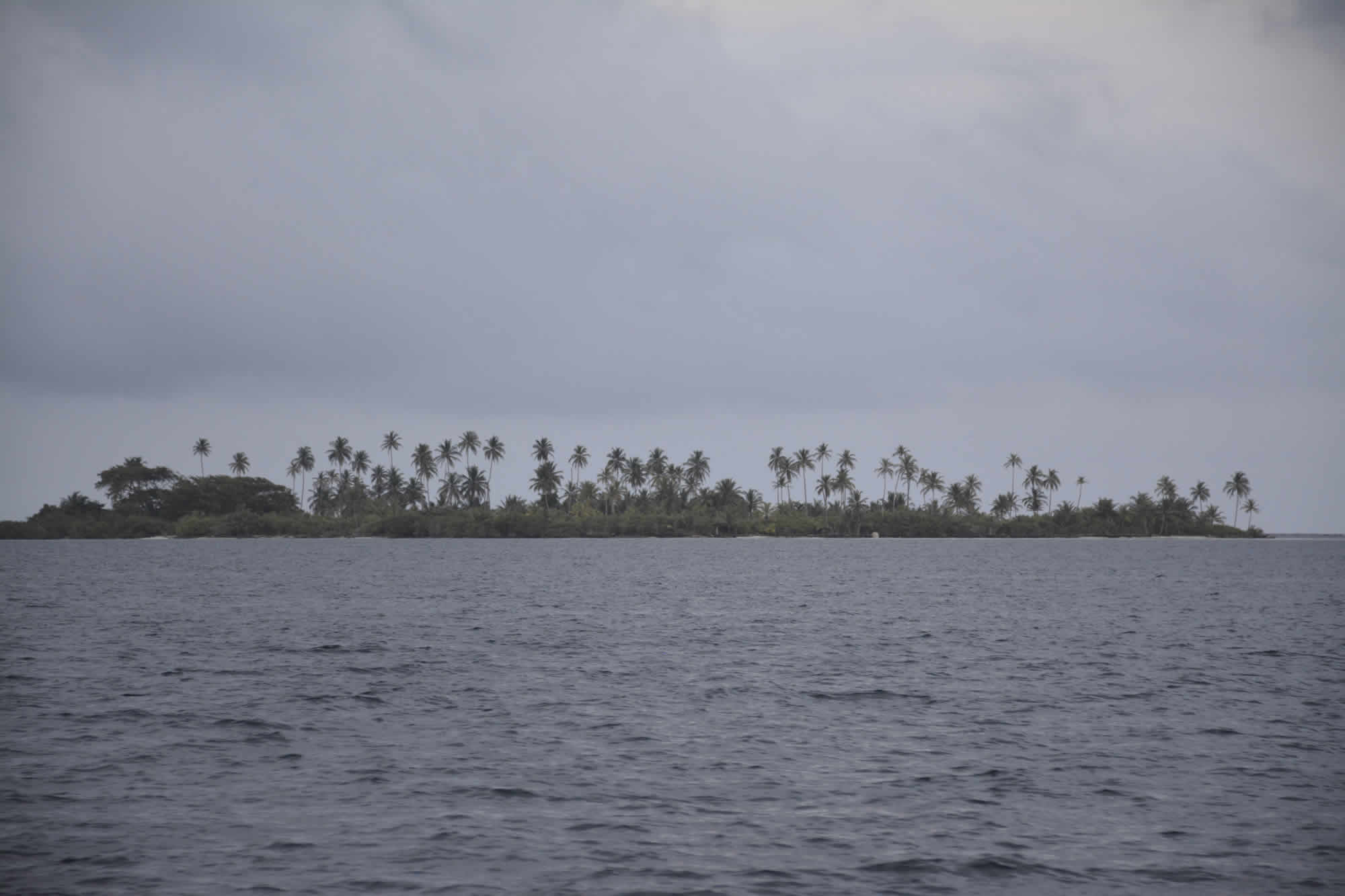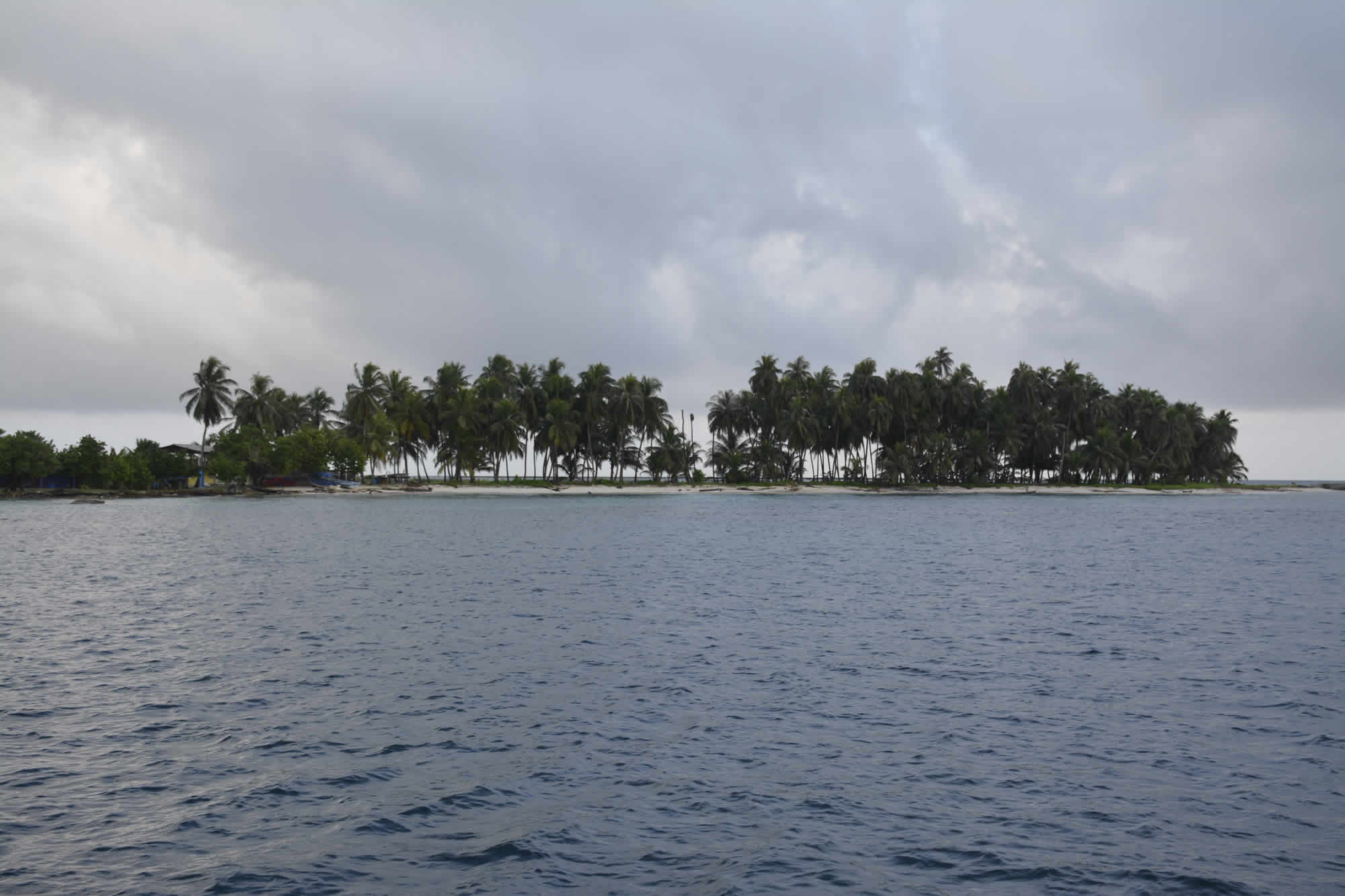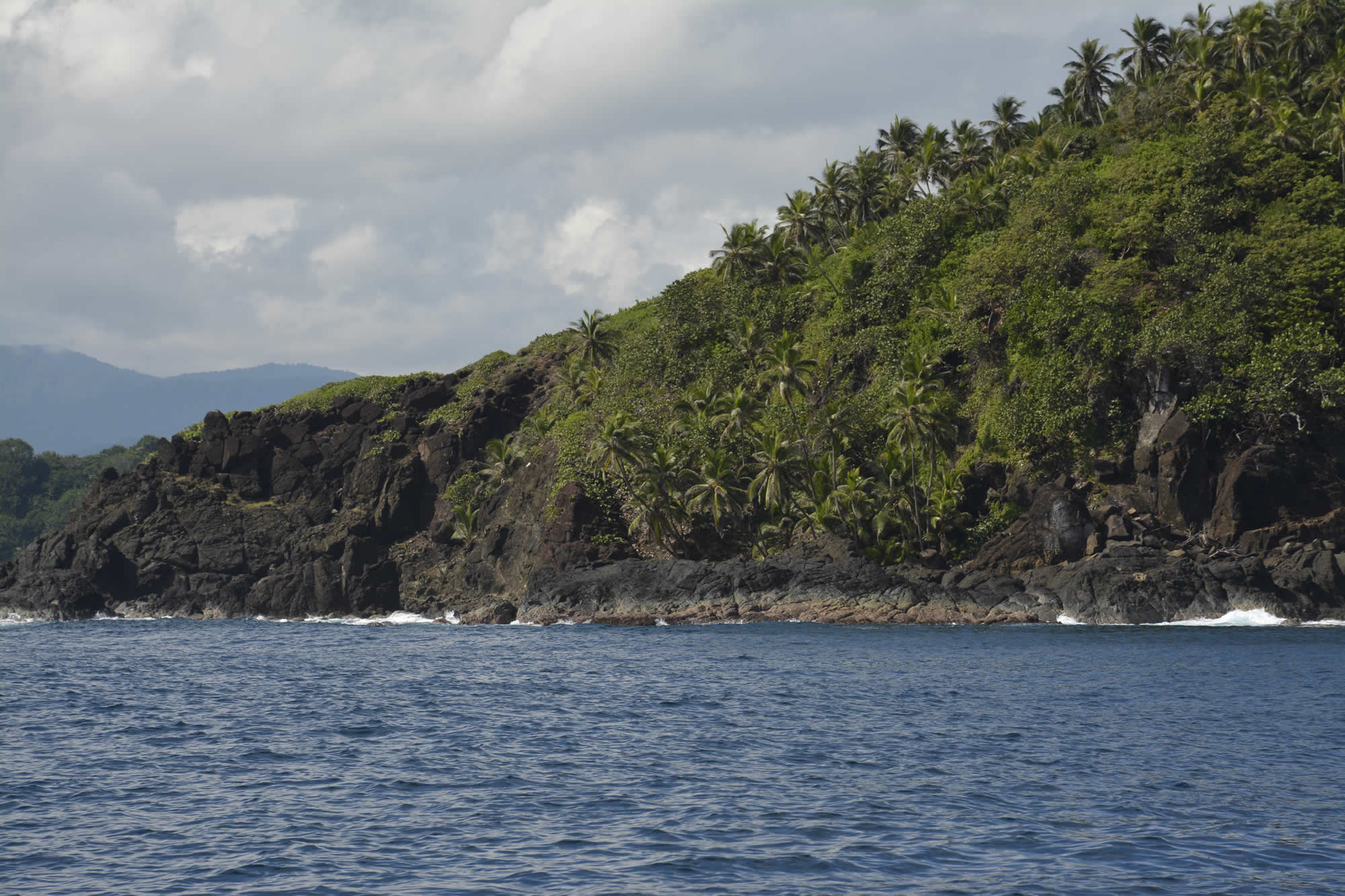
72 hours on Galapagos Islands
It felt nice to finally be in the trade wind area. Suddenly we had wind of 18-20 kn compared to nothing and we looked forward to some nice sailing on the Pacific to French Polynesia. The trick was to slowly move south to the 10th latitude covering a distance of approx. 2000 miles.
Once in the trade wind we needed to get into our daily routine bearing in mind we had at least three weeks of sailing before landfall. One important routine is to produce water on a regular basis. We make around 60-70 L water/hour and in order to keep the membrane in good shape we had decided to run the system every third day. The electric motor for the system require up to 40 amps why our main engine needs to be engaged when doing this.
So, in our first trade wind day, the water system was turned on and everything ran smoothly until the engine suddenly stopped. We tried to restart but nothing happened and we could not get the engine running again. Not good at all being 2000 miles from the Marquesas, 750 miles from Ecuador and 350 miles south of Galapagos. We looked into the problem. Cleaned all that had to do with the fuel system, changed filters and still no response. We needed to make a decision. Without a functioning engine we could not produce water or recharge our batteries fully when the solar panels and our wind generator could not be 100% trusted depending on the type of weather, wind speed and cloud cover.
The best course of action would be to try to reach the Galapagos Islands for engine repair. The islands were 350 miles to the north and we knew that we would, again, get in to the ITCZ as well as face strong current against us. Nevertheless, this was what we had to do. We had plenty of food why this was not an issue. Our problem, if unlucky, would be the water supply and battery power to last especially the latter if the sun decided to hide behind clouds.
To make a long story short, it took us 13 days to cover 350 miles.
Before we turned north we contacted Sweden Rescue (JRCC) and our insurance company to make them aware of our situation would we be forced to leave the boat due to lack of water and electric power not being able to run e.g. navigation lights. Sweden Rescue whom were very supporting and helpful, provided us with the contact information to the corresponding services in Peru and Ecuador. They also helped us with informing the Peru officials when we at that time were within their area of responsibility. The recommendation from JRCC as well as from MRCC in Peru was to turn on our Epirb should we run out of water and electric power. It felt good to be in contact with JRCC and MRCC via our SSB radio (emails) and our Sat phone.
We turned off the freezer of course as well as the fridge and used only the equipment necessary for navigation and this only part of the time.
 On our struggle towards Galapagos it happened that we sailed 20 miles in very weak wind during some days and drifted backwards 15 miles during the nights when the wind disappeared. The current against us was also strong, 1-1.5 kn. Very annoying to say the least. It also seemed that the Dorado’s were aware of our situation and our lack of interest to fish when they kept us company around Peach.
 After 9 days we still had 74 miles to sail and it was impossible to get further north due to lack of wind and the strong current against us. In contact with the Ecuador coastguard they promised to tow us the rest of the way. We believe that JRCC in Sweden assisted us to convince the coastguard that we needed towing to prevent us for ending up as the forever drifting Swedes. It was a relief seeing the coastguard ship arrive late in the afternoon. They towed us at a speed of 9 kn to the closest island which was Floreana (Isla Santa Maria) were we arrived late in the evening. They helped us to move into an anchor position where we lay still for three days awaiting further towing by a private company to the main island, Isla Santa Cruz, where help with the engine could be found. The distance to Santa Cruz was 34 miles. The cost for the 34 miles of towing ended at 520 US dollar.
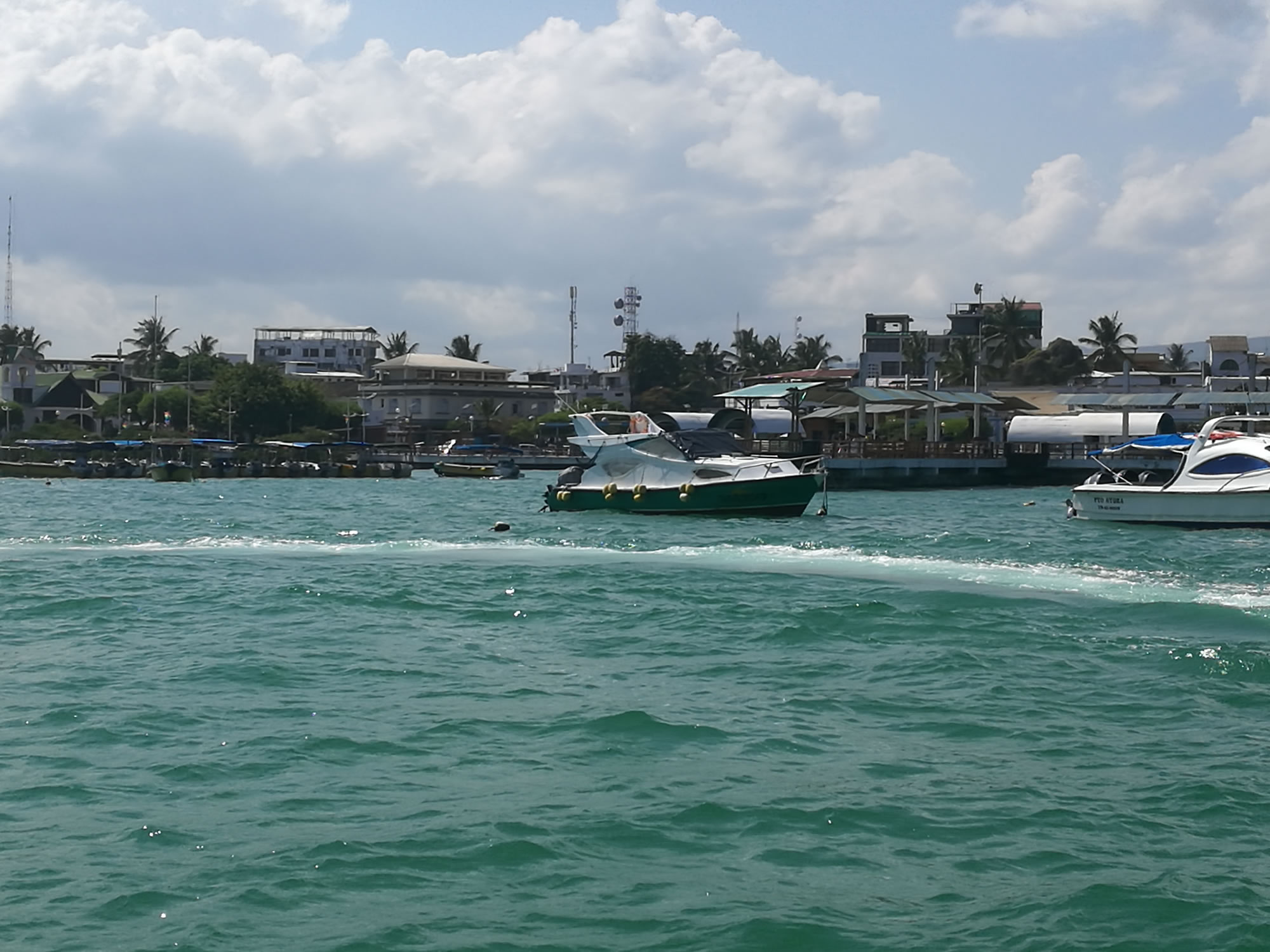 72 hours on Galapagos started with a two hour inspection of us and Peach. We explained the circumstances, presented our logbook and the route as displayed on our plotter, Peach was also carefully inspected. Pictures were taken of the relevant pages in the logbook, e.g. the day the engine broke down and the day we stopped at Salinas in Ecuador to get diesel. By using the 72 hour stop, claiming an emergency, we did not have to pay all the fees they charge sailors with visiting the islands.
 The Galapagos officials were satisfied and our 72 hour stay begun with a lot of work to get someone to repair the engine and take care of a million other matters that needed to be done before it was time to continue our journey. Luckily the engine was repaired quickly and the problem was a faulty Solenide (stop magnet) connected to the injector pump. We did not carry a spare for that problem. Other matters we dealt with were,
- Get a local sim-card for internet access
- Fill up the diesel tank and our extra diesel containers
- Fill up the water tank with drinking water when running our water-maker where we had anchored was not an option
- Use a laundry service in the village
- Struggle with bank transfer to get money for paying the towing
- Engage two workers to scrape the hull before leaving
- Buy supplies, fresh food and prepare the food accordingly.
 All this was done during the weekend. We arrived on Friday and was suppose to leave on Sunday before lunch time. In addition, it was an election day on Sunday why sale of liquor was forbidden why we could not get some decent bottle of wine. Maybe that was ok when the prices of wine was through the roof.
Anyway, we did all these things and were ready to leave on Sunday. The island and especially the village was really nice with nice people but very high prices on basically everything.
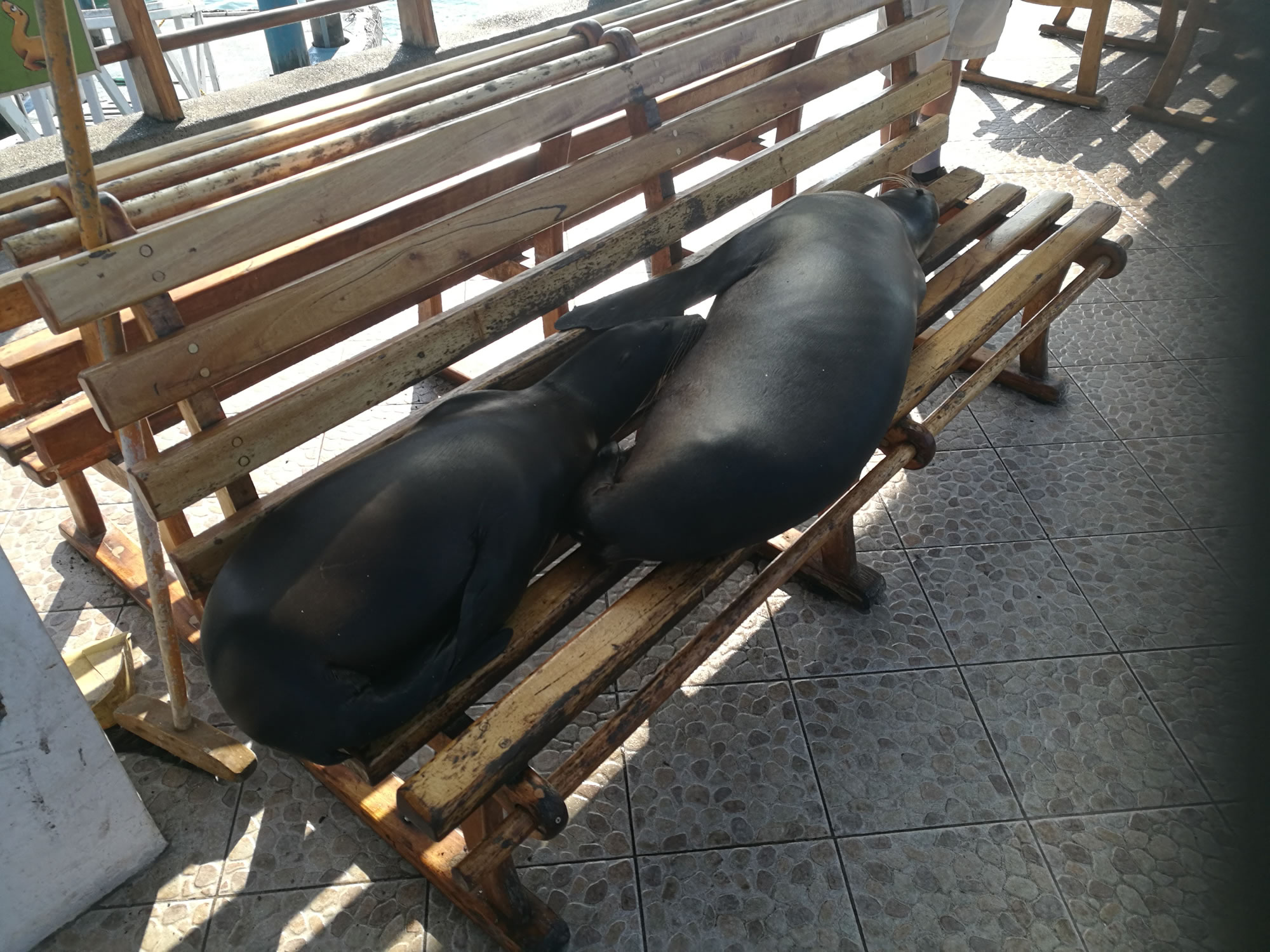
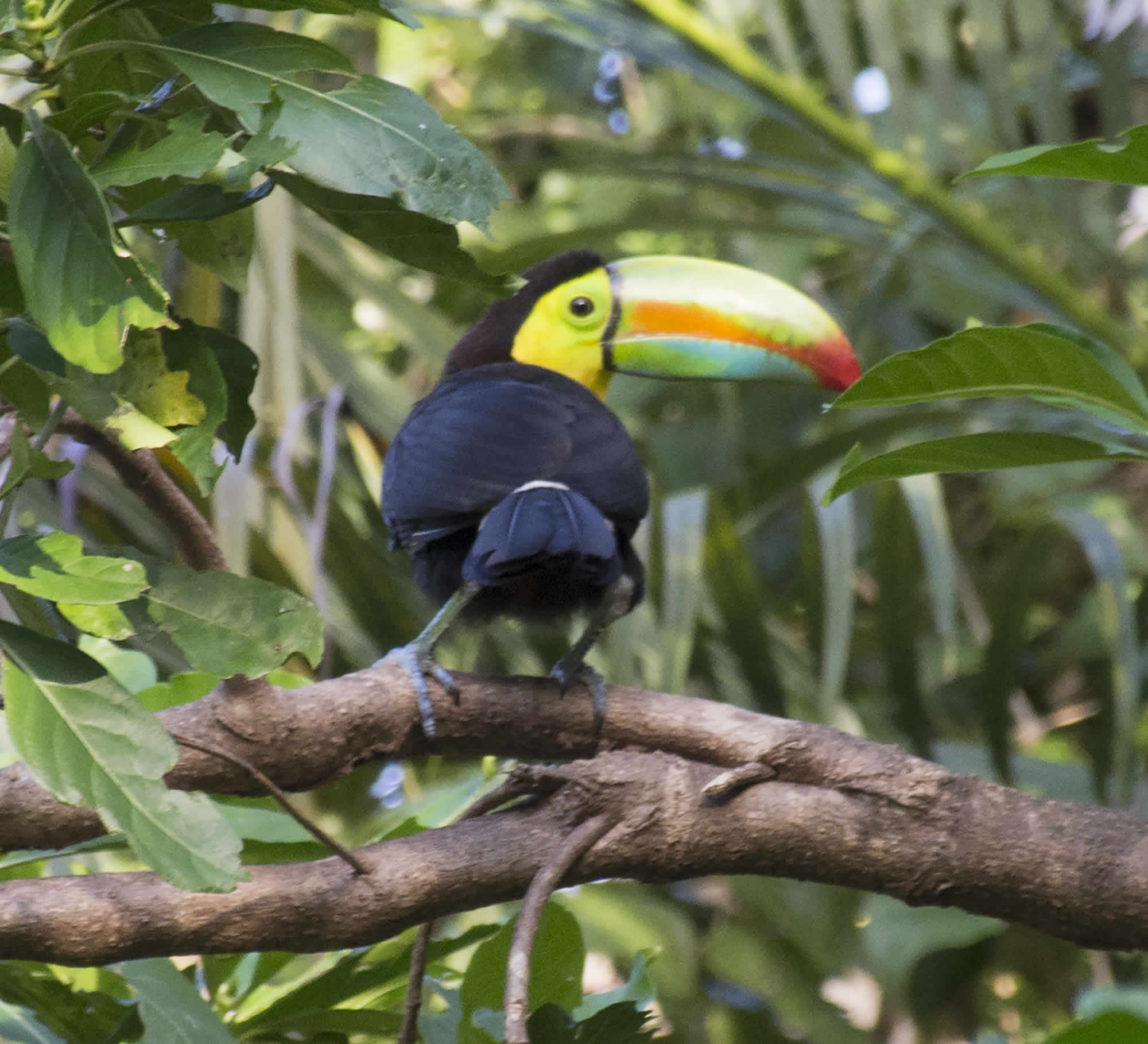
On top of everything we had the chance to see some of the wild life such as the famous lizards, turtles and some birds special for the Galapagos. The question however is whether the sea lions can be regarded as wild life…….occupying the side-walks and benches.
Finally after 72 hours, we left at 10 am on Sunday morning after some hard work and a lot of US dollar left behind. At last we were on our way to French Polynesia.
 We got 10-12 kn wind a couple of hours during 5-6 days which was not enough of course. Being in the InterTropical Convergence Zone (ITCZ) (doldrums) we knew this was likely to happen and that the engine probably would have to be engaged. We could of course have waited in Vista Mar for enough wind to push us out of the Panama Bay but we were tired of waiting and eager to start our crossing.
 We reached Salinas just before lunch time a beautiful day, contacted the marina, got our diesel and took off without the need for formalities of checking into the country. The whole procedure took just under two hours. Perfect, we were in business again. The course was set for the Marquesas although we were not yet clear on Marquesas or directly to Tahiti. On our route in and out of Salinas we had to be on full alert due to a large number of local fishing boats with floating fishing nets during the night as much as up to 100 nm from the coast. The boats were lying still without any lights. When we got close they suddenly turned on their lights to alert us to stay clear. We had to do some quick turns to avoid some nets.
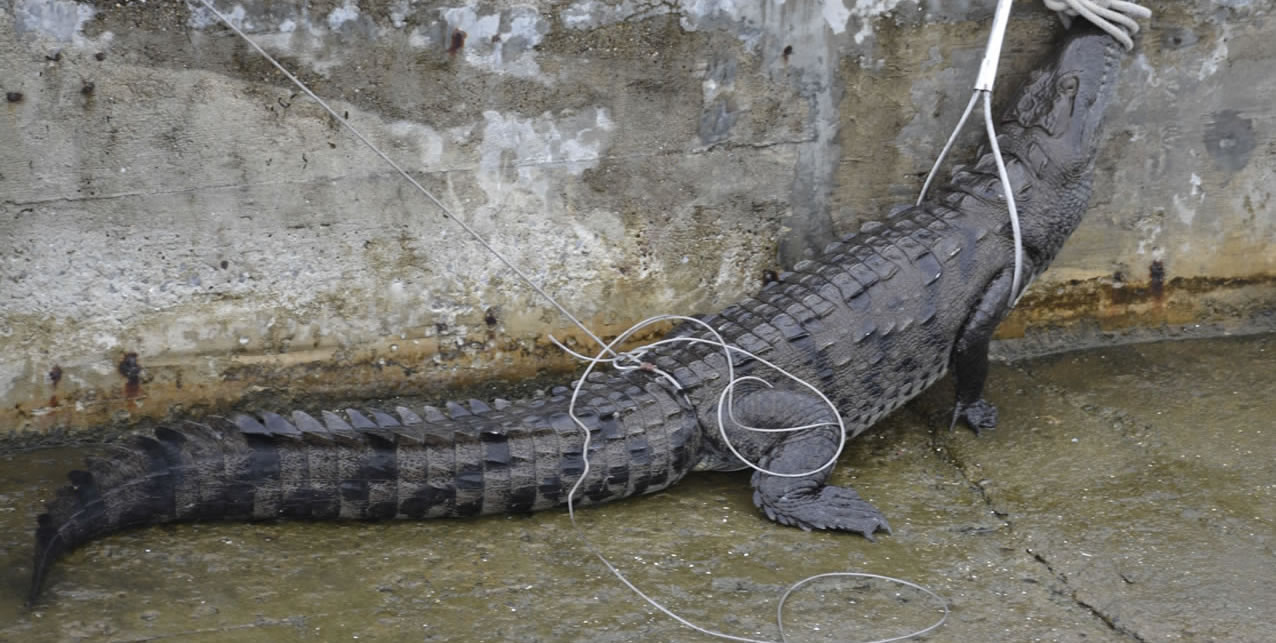
 picked up two canal pilots on our way to the first lock which was part of the Gatun locks. In total we were 7 persons onboard to handle the canal transfer. Just before the first lock, one of three, was a giant crocodile resting on the shore. The biggest one so far. Anyway, we had been told that the plan was to get attached to a tugboat during the three locks which seemed to be simple enough. Unfortunately the currents in the locks were strong why it took some effort to get close to the tug and tie the lines without damaging Peach. This procedure were repeated twice before we had cleared all three locks and was able to enter the Gatun Lake which is huge. The lake is the fresh water reservoir for Panama City. Actually the drinking water (tap water) in Panama was surprisingly fresh.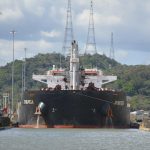
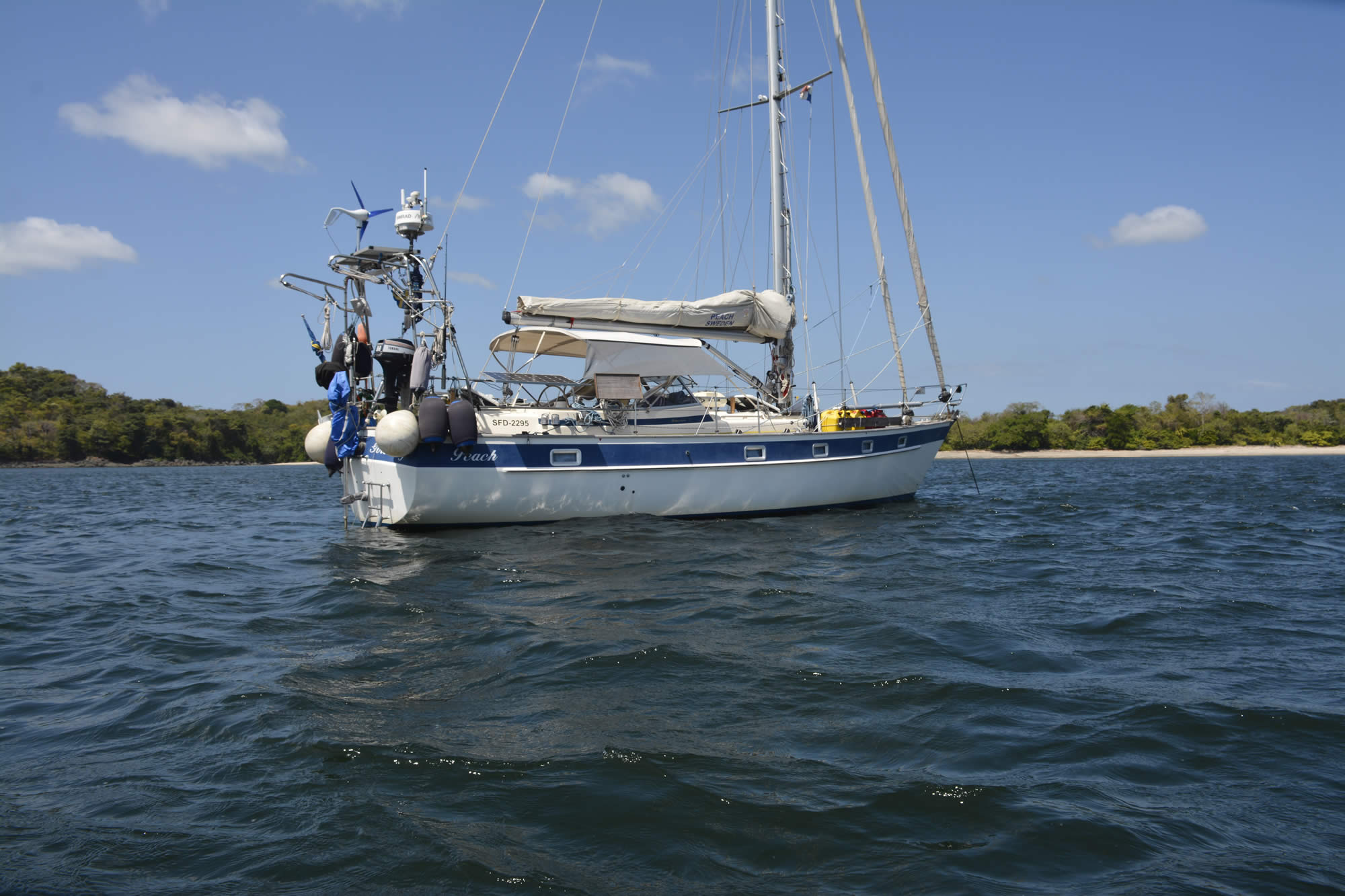
 After the Pearl Islands we set course for Isla Otoque and Isla Bona halfway to Vista Mar. We anchored off both islands and our favorite was Isla Bona, a small bay with calm water. When we left we had very strong wind accelerated by the larger island, Isla Otoque. Vista Mar Marina was 25 nm from where we were and it took half a day to get there.
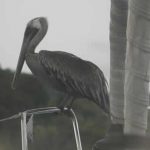 Our first picture is of a Pelican (again) when the bird actually sat on our pull pit sleeping with the beak under the wing and woke up when the camera got close, amazing is it not?
 bow towards the prevailing wind and with European electrical standard of 230 V. Nice and helpful staff, good order in the office and many facilities such as a nice restaurant, pool, gym, a small chandlery, laundry possibilities and a small mini market. The quality of the fresh water is surprisingly high and perfectly drinkable. Moreover, the water is free as long one did not use more than 35 gallons a day which is a lot. Overall the marina price is somewhat higher than we are used to but on the other hand the facilities were good. There is also a free shuttle bus to Colon Monday-Saturday for real shopping.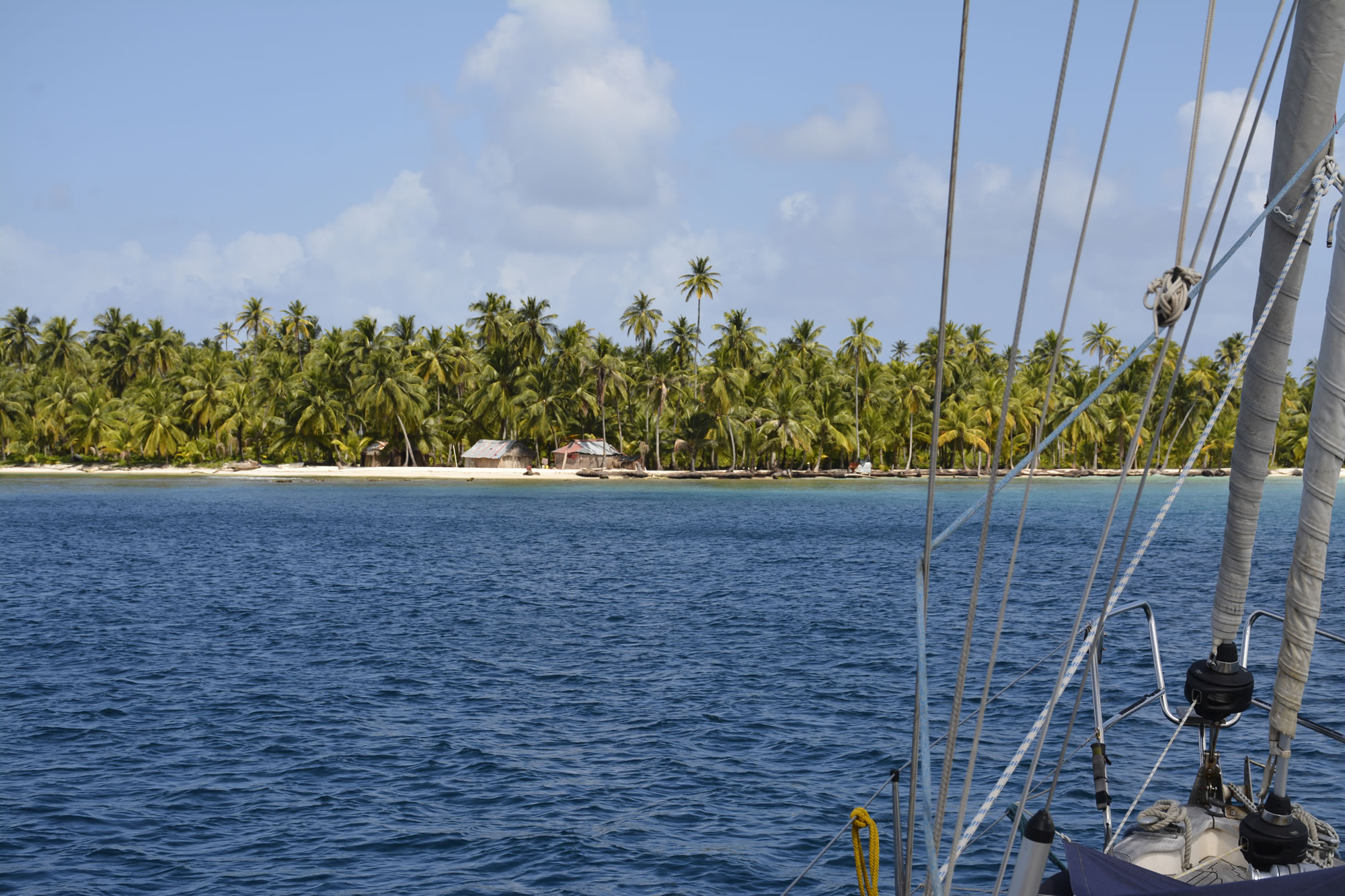
 The New Year celebration took place on Peach in shorts, and in skirt for Karin, with good food and in good company of each other.